Why Play is How Children Learn
Understanding the Importance of Purposeful & Free Play in Early Childhood
Pediatrician | Certified in Nutrition
Certified through national and international programs in nutrition, infant & child feeding including Solid Starts Pro and lactation counselling for expectant mothers.
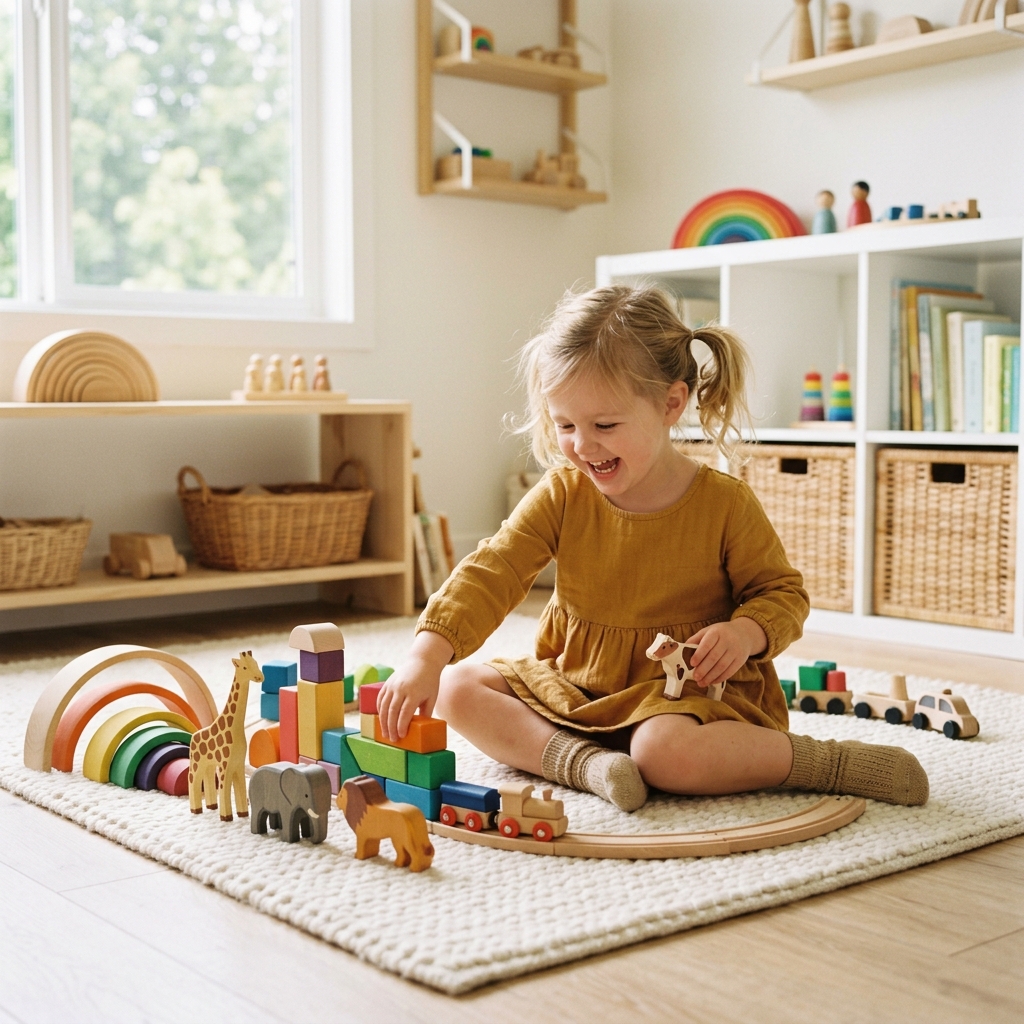
Play is not just something children do. It is how they learn. Discover why play is one of the most natural ways children explore the world, build essential skills, and connect with caregivers.
Why is play so important?
Children learn through doing, experimenting, repeating and discovering. Through play, children get opportunities to develop essential physical, cognitive, and social-emotional foundations.
- Language and communication: talking, listening, describing and storytelling
- Thinking skills: exploring, predicting, remembering and problem-solving
- Motor skills: running, jumping, climbing, drawing and manipulating objects
- Social skills: sharing, taking turns, cooperating and negotiating
- Emotional skills: expressing feelings, coping with frustration and practising self-regulation
- Creativity and imagination: pretending, inventing and creating their own ideas
- Confidence and independence: making choices and discovering what they can do
Play does not always need a learning objective
As parents, it can be tempting to turn every activity into a lesson ("What colour is this?", "Count these", "What letter is this?"). There is certainly a place for guided learning. But children also need free play—time when they can decide what to do, explore their own ideas and simply enjoy the experience.
Free play allows children to follow their curiosity and develop their own ideas, while guided play can gently introduce learning opportunities without taking away the child's sense of choice. So sometimes, it is perfectly okay to simply let your child play.
You don't need hours of free time
Many parents feel guilty because they don't have enough time to sit and play for long periods. But meaningful play does not always require a special activity or a long block of time.
A few minutes of peek-a-boo, singing together, building a tower, dancing to a favourite song, looking at clouds, telling a silly story, pretending during bath time, or playing with a ball can become a meaningful interaction. UNICEF also highlights that playful interactions with caregivers support children's learning, development and relationships.
Choosing activities for your child
The best activity is not necessarily the one that looks impressive on Instagram or Pinterest. Look for activities that are age-appropriate, safe, interesting to your child, open-ended, and enjoyable.
A little less "teach" and a little more "play" for young children
Childhood does not have to be filled with worksheets, flashcards and structured lessons. There is enormous value in giving children time to wonder: "What happens if I do this?", "Can I build it higher?", "What if this box becomes a rocket?", "What should happen next in my story?"
These seemingly ordinary moments are opportunities for children to practise thinking, communicating, creating and solving problems. So the next time your child says, "Can you play with me?", remember—they may not simply be asking for entertainment. They are inviting you into their learning.
Explore more Activities & Play
Explore our age appropriate activities, books, toys and play ideas thoughtfully selected to support your child's development. No more endless internet searches. No more wondering "Is this actually right for my child's age?". With resources curated by a Developmental Pediatrician, you can spend less time searching and more time enjoying these moments with your child.